



The Scoop
The Trump administration is unveiling a new proposal aimed at turning the nation’s highway and rail lines into “multi-use” utility corridors that could hold critical infrastructure like transmission wires, fiber optic lines, and water pipelines.
The plan, dubbed “America’s Great Corridors of Commerce,” is being billed by the Transportation Department as a “voluntary nationwide opportunity,” and comes as the administration looks for ways to drive down energy costs for Americans. The initiative, according to details shared first with Semafor, will allow state-level transportation agencies and railroads to lease out land alongside roads and tracks to private sector companies to develop new infrastructure.
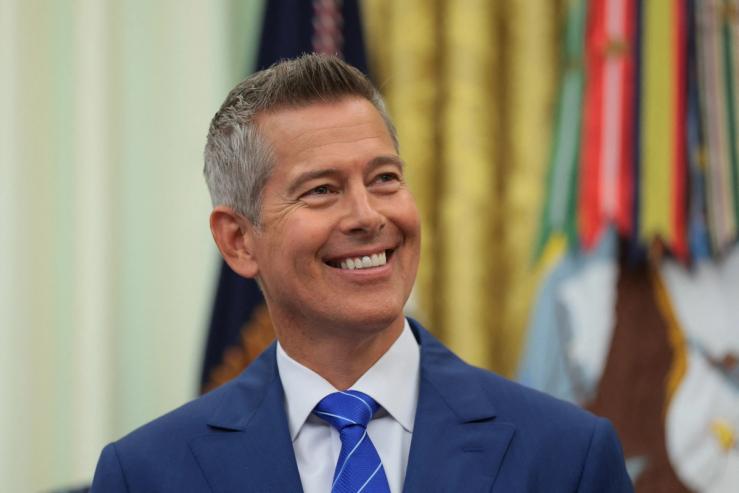
“America has always been at the bleeding edge of innovation. But we will lose the race to develop the technologies of the future if we cannot lower costs and get the government out of the way,” Transportation Secretary Sean Duffy said in a statement. The new plan, he added, will “make energy more affordable and fuel American industry for generations to come.”
The administration hopes that using existing “transportation land” will reduce the cost of projects while leveraging “categorical environmental exemptions to bypass lengthy reviews,” according to a release describing the proposal, which emphasizes the need to quickly build out these types of infrastructure.

Know More
The Trump administration is also billing the proposal as a way to better compete with China, arguing that the country is ahead of the US in building things like high-voltage transmission lines. One of the biggest obstacles to many new power transmission projects is opposition from local communities and zoning authorities, a problem that can be bypassed if new grid lines stick close to existing infrastructure.
In recent months, the administration has ramped up its focus on things like artificial intelligence data centers for similar reasons. The data center debate has increasingly become a focus in the midterms as voters sour on the technology infrastructure. Republican candidates across the are trying to walk the line between appeasing anti-data center voters without straying too far from President Donald Trump’s push for building them.
Notably, the new proposal follows the Trump administration’s cancellation of a number of major transmission initiatives. The Energy Department ended a $4.9 billion conditional loan commitment last year for a transmission project and scrapped three other transmission corridor proposals earlier this month. Trump’s focus on leveraging the land — which mirrors proposals that Biden administration officials, environmental groups, and congressional Democrats have advocated for years — offers an alternative to those prior cancelled projects by using highway and railroad-affiliated land.
Alan Mitchell, a senior Manager for US federal policy at the Clean Air Task Force, a climate nonprofit, commended the Trump administration’s plan as a “step in the right direction” and a “serious, practical use of existing authority.”
But Mitchell argued that the administration’s other actions — like the recent cancellations — could undercut the plan. “The administration needs to act consistently to get our country the transmission it needs where it needs it,” he told Semafor.