


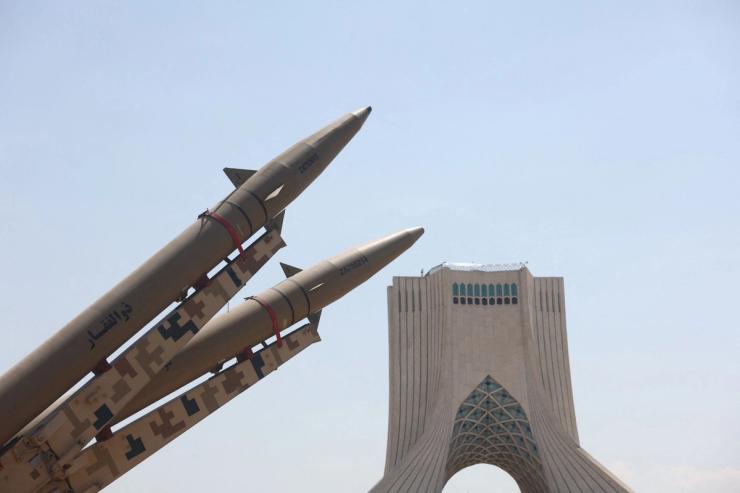
Six months into the Iran war, hopes for a return to routine were once again frustrated after the US and Iran traded fire for the first time in about a month. Students across the Gulf are back in school, and executives were optimistic that the return of US diplomats, more normal air travel, and Washington’s focus on “maximum pressure” through sanctions would help revive activity. The region has grown accustomed to embargoes: The Islamic Republic has survived numerous sanctions for 47 years, while Gulf economies have thrived despite the turmoil around them. As long as the war was economic, there were reasons to be upbeat.
The “kinetic” side of the pressure campaign is more damaging. The US said it struck Iranian rocket launchers preparing to mine the Strait of Hormuz early Monday, and Tehran responded by targeting the Gulf and Jordan. Iran also said a supertanker was hit by two mines in Hormuz. Oil rose to near $91 a barrel.
On the political front, there are no signs of a shift in Iran’s policy toward its neighbors. The still-unseen supreme leader urged Gulf states to unite with Tehran against their “real enemy,” Israel and the US. Gulf pundits reacted with incredulity. A prominent anchor on Saudi-owned Al Arabiya TV reminded an Iranian professor of the definition of an enemy.