



The Scoop
One of the UAE’s biggest family-owned conglomerates has told some customers it won’t be able to deliver homes it is building on schedule because of the disruptions caused by the Iran war, according to people familiar with the matter.
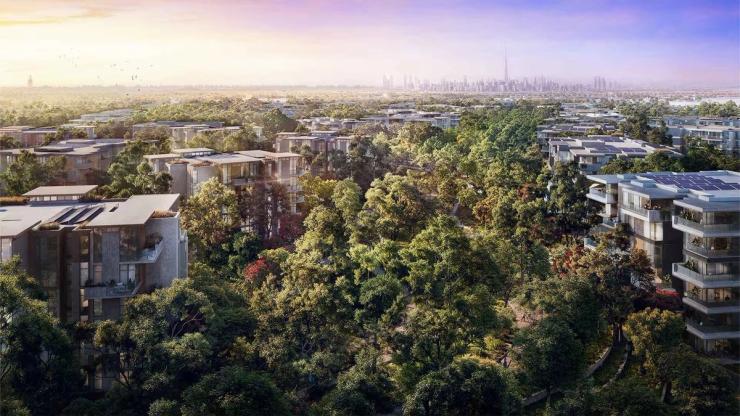
Majid Al Futtaim (MAF), which owns some of the region’s largest malls and most luxurious property projects, has started informing buyers in parts of Tilal Al Ghaf development in Dubai that it is invoking force majeure clauses in sales contracts, blaming circumstances beyond its control.
MAF said in a statement after this article was published that “construction across Tilal Al Ghaf continues to progress in line with the established project schedule and the terms of the Sale and Purchase Agreements.”
The Dubai-based company and its suppliers have faced difficulties securing construction materials and higher shipping costs as trade flows were rerouted since the war broke out on Feb. 28, the people, who spoke on condition of anonymity, said.
The move is one of the first known cases of a privately held firm acknowledging the war’s impact on its operations. State-controlled energy companies, including Kuwait National Petroleum Co. and QatarEnergy, declared force majeure in March because they couldn’t get their oil and gas out of the Strait of Hormuz.
MAF said this “interpretation ... does not reflect the facts. As part of our commitment to transparency, customers were informed of the broader regional conditions currently affecting the construction industry, including pressures on logistics and material supply chains. These updates are standard procedural notifications under the SPA and do not indicate a change to delivery timelines.”

Know More
Dubai’s property market has been one of the world’s strongest in recent years, leading global sales of homes worth more than $10 million, according to real estate consultancy Knight Frank. Tilal Al Ghaf includes mansions that sell for more than $15 million, as well as smaller units often purchased by investors seeking rental income.
Delays can be costly for the latter group of buyers. Many off-plan sales contracts include provisions requiring developers to compensate purchasers if handovers are delayed beyond a specified period, often six to 12 months. Invoking force majeure can allow developers to suspend those penalties.
Construction consultancy Stonehaven estimates regional building materials’ costs have risen roughly 25% since September, driven by higher prices for aluminum, bitumen, copper, and nickel. Two industry executives, speaking on condition of anonymity, said interior fit-out companies are also struggling to find fittings and finishing materials that are normally imported through Dubai’s Jebel Ali port.
A property developer, who also asked not to be identified, told Semafor that supply uncertainty, rather than a lack of financing, was the biggest challenge. Some subcontractors have declined new work or withdrawn from projects because they could not guarantee access to materials or completion timelines, the developer said. Those disruptions are extending handover schedules across the region and will likely lead to lower completion rates this year.
MAF said in a statement that it’s working with its “contractors, consultants, and suppliers to monitor developments and mitigate potential impacts,” and that its priority is “the timely and high quality delivery of homes for our customers.”
* This article was updated with a response from Majid Al Futtaim.

Notable
- Some Dubai real estate bonds flashed distress signals in March, with risk premiums rising sharply weeks into the war, Bloomberg reported.